
Gentle Photography for wonderfully wired families.

Tag: ocd

  • Everyday Magic: Lifestyle Photography for Parents of Neurodiverse Kids

    Everyday Magic: Lifestyle Photography for Parents of Neurodiverse Kids

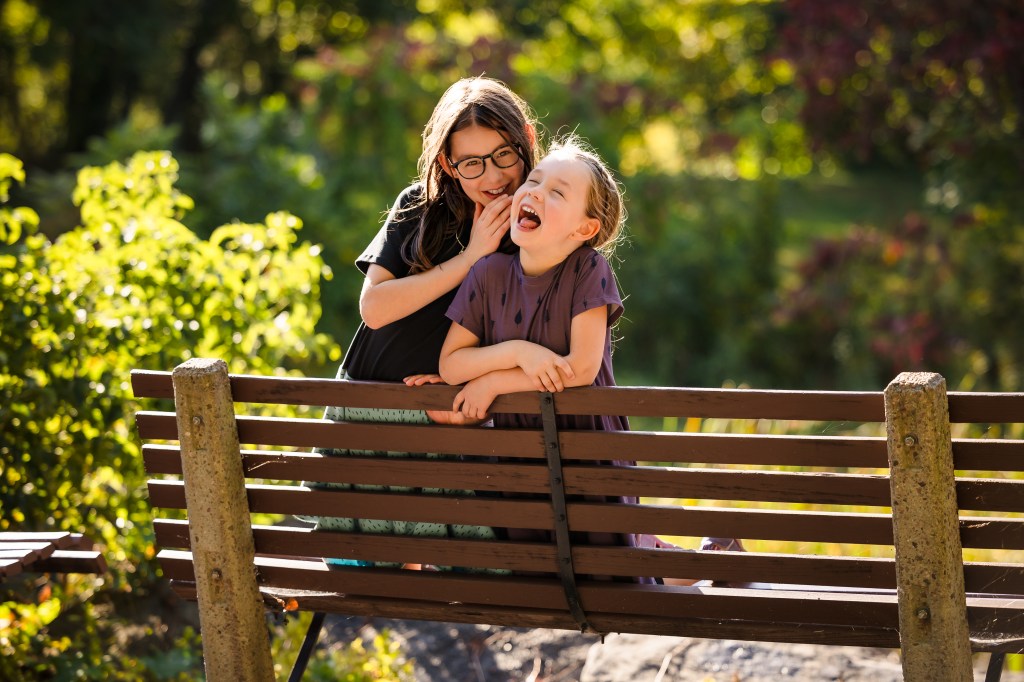
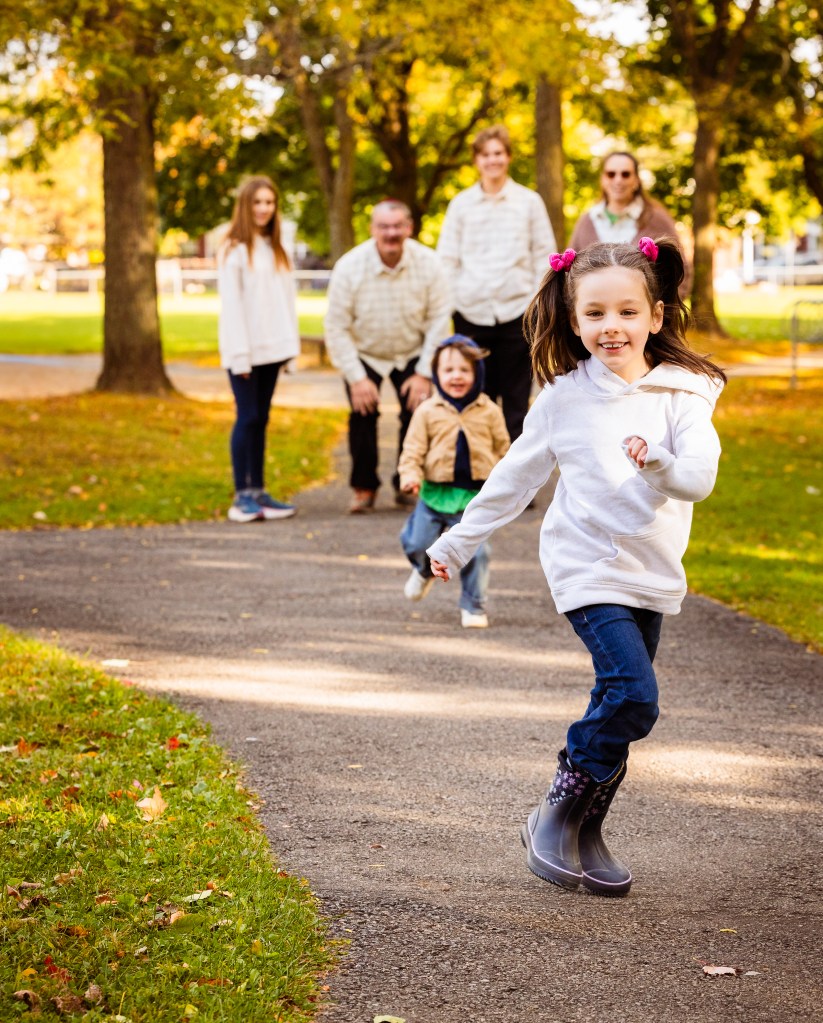
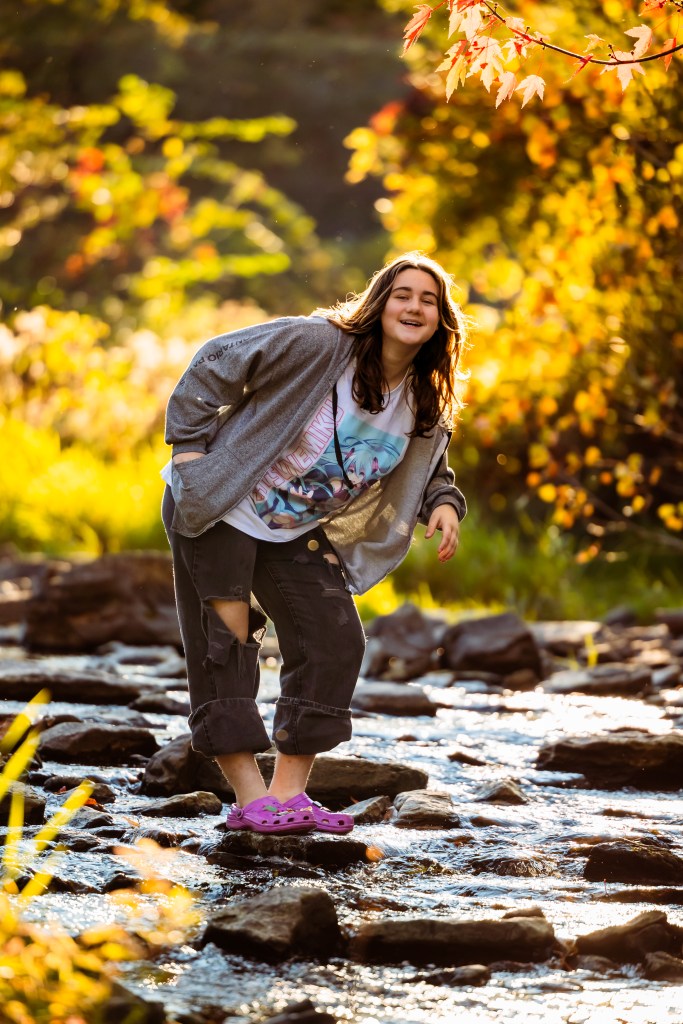
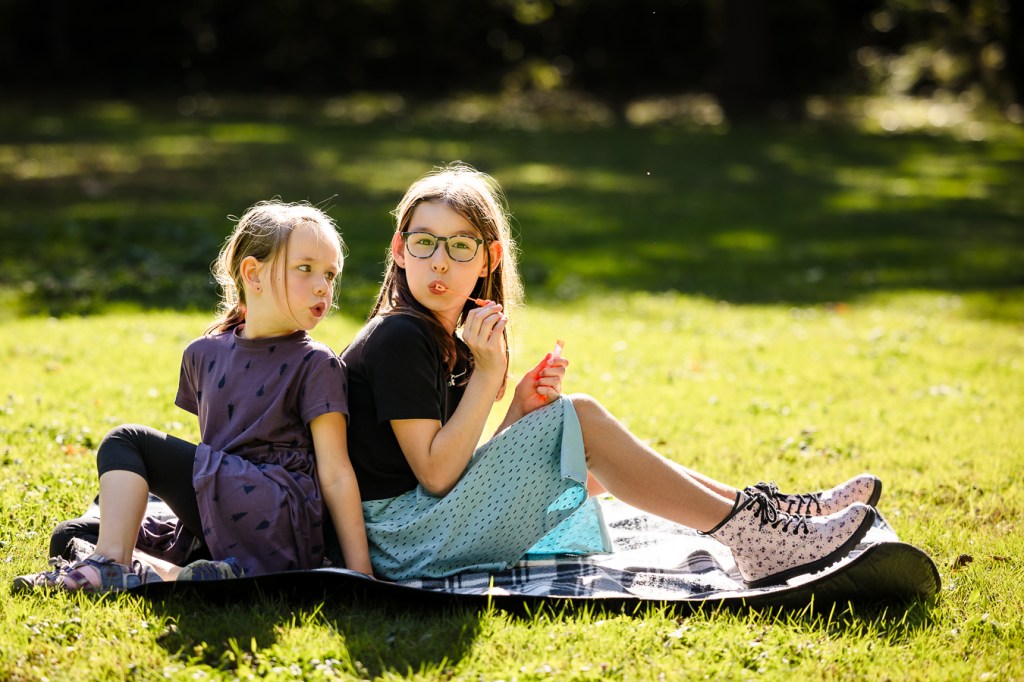
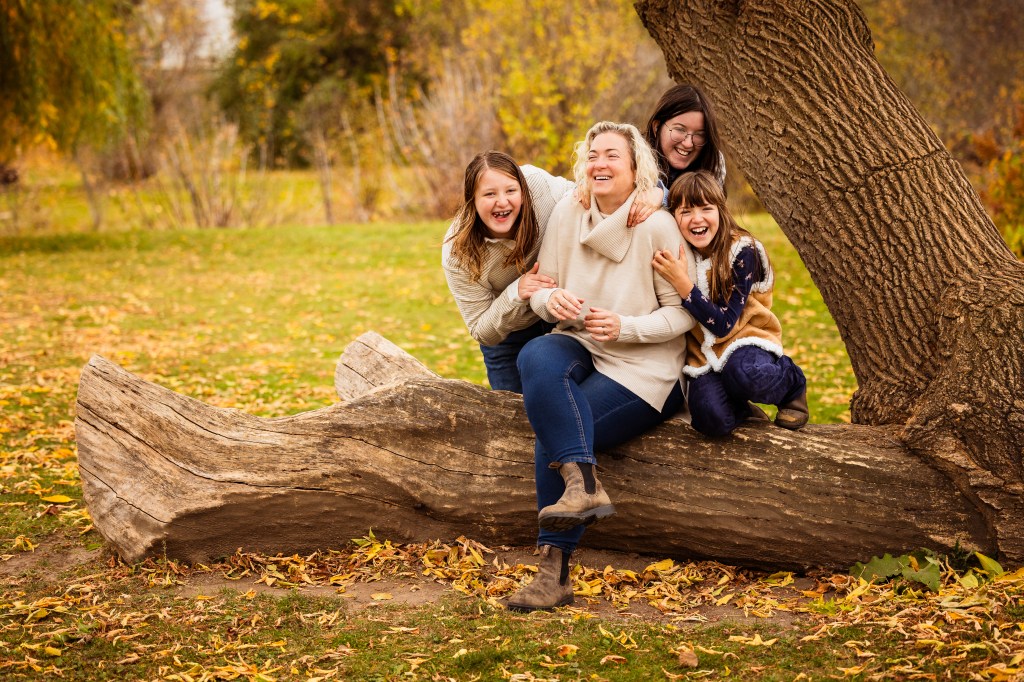
    (NOTE: not all the children in these images are neurodiverse – they are just images from sessions that I love!!)

    If you’ve ever felt like traditional family photography just doesn’t fit your family—you’re not alone. You schedule the photoshoot, prep the outfits, hype up your kid… and still end up with stiff poses, sensory overload, or a meltdown (sometimes yours).

    Here’s the good news: You don’t need picture-perfect poses to have meaningful, beautiful photos. That’s where lifestyle photography comes in—and it might just be the gentle, authentic approach your neurodivergent child (and you!) have been looking for.

    Let’s explore what lifestyle photography is, why it’s ideal for neurodiverse families, and how to make it a joyful experience for everyone involved.


    🌿 What Is Lifestyle Photography?

    Lifestyle photography is all about capturing people in their natural environments, doing things they love. Think less “say cheese” and more “this is us, on a Tuesday, dancing in the kitchen.” It tells stories through real, unscripted moments.

    For neurodiverse kids, this approach can feel much safer and more aligned with how they move through the world.

    🧠 Why It Works for Neurodiverse Kids

    Here’s why lifestyle photography can feel like a breath of fresh air:

    • No pressure to pose – Your child can stim, wander, fidget, flap, or focus on a special interest—and that’s not only okay, it’s perfect.
    • Familiar settings – Photos happen in comfortable places: your home, the backyard, or their favorite sensory-friendly spot.
    • Freedom to be themselves – Lifestyle sessions aren’t about controlling the moment—they’re about witnessing it.

    There’s no need to change or “fix” anything about your child’s natural rhythm. The goal is to celebrate it.


    📷 Tips for a Beautiful Lifestyle Session

    Whether you’re hiring a photographer or capturing moments yourself, here are some tips to make lifestyle photography meaningful and relaxed:

    1. Choose the Right Time of Day

    Pick a time when your child is most regulated. For some kids, that’s after a meal or after their routine. Avoid nap time or transitions if those tend to be tough.

    2. Let Them Take the Lead

    Follow your child’s energy. If they want to line up toy cars, build a blanket fort, or jump on the couch—let them. These moments tell their story.

    3. Be Candid, Not Posed

    Focus on interaction. Snuggle. Play. Read a book together. Let your child stim or hyperfocus. These real-life moments hold the most heart.

    4. Include Comfort Items

    Weighted blankets, fidget toys, headphones, favorite plushies—include them all. They’re part of your child’s world and deserve to be documented with love.

    5. Work with a Neurodiversity-Affirming Photographer

    Look for someone who understands or is open to learning about neurodivergent needs. Ask how they approach sensory sensitivity, meltdowns, or pacing the session.


    💛 What You’re Really Capturing

    Lifestyle photography isn’t about getting your child to fit the photo—it’s about shaping the photo to fit them.

    You’re capturing:

    • The way they squint when they’re deep in thought.
    • The joy in their eyes when they talk about trains.
    • The quiet way they reach for your hand when they’re feeling unsure.
    • The safe little world you’ve built together.

    These are the moments you’ll want to remember. And they’re so much more meaningful than “perfect” smiles.

    Final Thought

    In a world that often tells neurodiverse kids to sit still and fit in, lifestyle photography says: You’re already enough.

    So next time you reach for your camera (or book a session), remember: the magic isn’t in the setup. It’s in the everyday—messy, beautiful, sensory, and uniquely yours. Keep capturing it. 💛
  • Capturing Joy: Tips for Taking Great Photos of Neurodiverse Children

    Capturing Joy: Tips for Taking Great Photos of Neurodiverse Children

    If you’ve ever tried to take a “perfect” photo of your neurodivergent child and ended up with a blurry sock, an out-of-frame forehead, or a deeply unimpressed expression… you are so not alone.

    At My Special Interest, we know that neurodiverse kids experience the world in ways that are uniquely beautiful—and that traditional photography tips don’t always apply. So today, we’re sharing some real-world advice for capturing moments that feel as magical as they are.

    Whether you’re snapping pics for a family album, a school project, or just because your kid looks extra cute today, here are some gentle tips to make the experience fun and authentic—for both of you.

    1. Let Go of the “Perfect Shot”
    Let’s be real—posing still, smiling on cue, and looking directly into the camera might not be your child’s thing. And guess what? That’s perfectly okay. Sometimes the best photos are candid moments—your child mid-laugh, deep in concentration, or fully immersed in their special interest. Let them be, and the beauty will follow.

    2. Make It a Familiar Space
    Many neurodiverse children feel safest and happiest in familiar environments. Try taking photos at home, their favorite park, or a sensory-friendly spot they love. The more relaxed they are, the more natural your photos will feel.
    Bonus tip: Avoid overwhelming locations, bright flashes, or noisy crowds unless those are things your child actively enjoys.

    3. Let Them Lead
    Instead of giving directions, let your child take the lead. Want to wear a superhero cape and lie in the grass? Go for it. Want to show off their dinosaur collection or spin in circles? Snap away. The more you follow their joy, the more that joy shows up in your photos.
    And if they want to take some photos too? Hand over the camera—you might be surprised by what they see.

    4. Incorporate Their Special Interests
    This one’s close to our hearts at My Special Interest. If your child has a passionate focus—whether it’s trains, sea creatures, space, or Mario Kart—make it part of the shoot. Hold the camera while they explain it. Let them pose with it. Let them be it.
    Photos that reflect who your child is are worth more than a thousand Pinterest-perfect poses.

    5. Use Burst Mode & Be Patient
    Not every child will sit still for long, and that’s okay. Use burst mode (most phones have it!) to capture a series of shots quickly. That way, you increase your chances of catching a great expression, a natural smile, or that fleeting sparkle in their eyes.
    Give them breaks if they need it. Or take just one or two pictures a day over time—every little moment adds up.

    6. Make It a Sensory-Friendly Experience
    If your child is sensitive to light, sounds, or textures, be mindful of your gear and environment. Skip the flash. Turn off shutter sounds. Let them wear their favorite comfy clothes (yes, even the shirt with the spaghetti stain—this is real life, after all).
    Comfort first. Always.

    7. Celebrate the Process, Not Just the Picture
    The goal isn’t just to end up with a good photo—it’s to create a positive experience. Whether the final image is frame-worthy or not, if your child felt seen, safe, and celebrated, then you nailed it.
    Photography with neurodiverse children isn’t about changing them to fit the frame—it’s about changing the frame to fit them.

    Final Thought:
    Every child is different. Every moment matters. And every photo is a tiny time capsule of a love that can’t be posed or planned.
    So go ahead—get silly, be patient, take breaks, and take the pressure off. You’re doing great.