

In a world filled with vibrant colors and endless digital enhancements, there’s something refreshingly honest and timeless about black and white photography—especially when it comes to family portraits. While color photography has its undeniable charm, black and white images offer a simplicity and emotional depth that can feel both grounding and powerful.
But beyond aesthetics, black and white photography offers some practical and even therapeutic benefits, particularly for families with neurodiverse children. From easing the pressure of clothing choices to creating a more calming and focused environment, here’s why monochrome might be the perfect approach for your next family photo session.
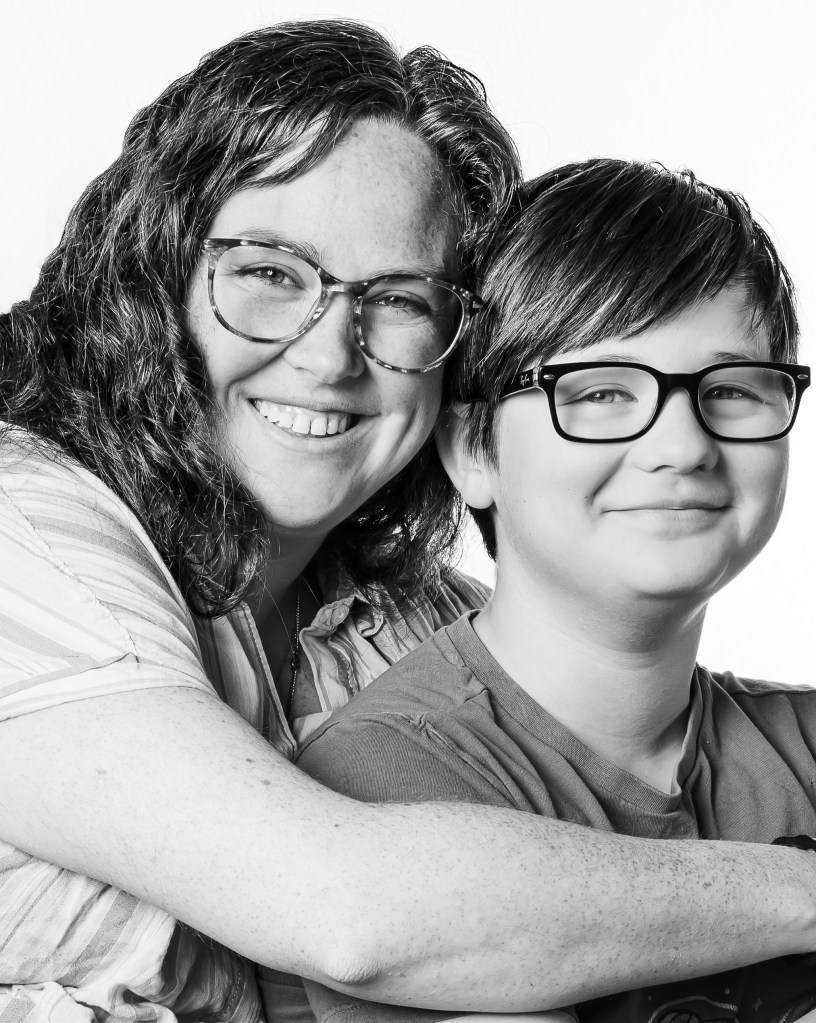
1. Timelessness That Transcends Trends
Black and white photography has a classic appeal that never goes out of style. Unlike color photos, which can be easily dated by trends in clothing, background hues, or editing styles, black and white images feel enduring. They strip away distractions and allow the viewer to focus on what really matters—the people and the connections between them.
For family portraits meant to be treasured for generations, that timeless quality is priceless.
2. Less Pressure Around Wardrobe Choices
Choosing outfits for family photos can be a major source of stress, especially when trying to coordinate colors across multiple people. For parents of neurodiverse children, this stress can be magnified. Many neurodiverse kids have strong preferences around clothing—based on texture, fit, or color sensitivity—which can make outfit planning feel like a battle.
Black and white photography removes the need to coordinate or worry about clashing colors. Without color in the final image, you can focus on comfort and self-expression. A child who insists on wearing their favorite Batman t-shirt or sensory-friendly hoodie? In black and white, that decision fades into the background, letting their personality—and joy—shine through.


3. A Calmer, More Focused Experience
Color can be stimulating—sometimes overwhelmingly so. Neurodiverse kids, especially those with sensory sensitivities, may feel overloaded in visually intense environments. Brightly colored clothing, backgrounds, or props can be distracting or even dysregulating.
Black and white photography naturally simplifies the visual environment. The reduced sensory input can create a calmer atmosphere during the shoot, making it easier for children (and parents) to relax. It’s easier to focus on emotions, interactions, and connection when the world is rendered in soft greys and deep shadows.
4. Emphasis on Emotion and Connection
In black and white photography, facial expressions, body language, and the relationships between people take center stage. Without color to pull the eye in different directions, viewers are drawn to the emotional core of the image.
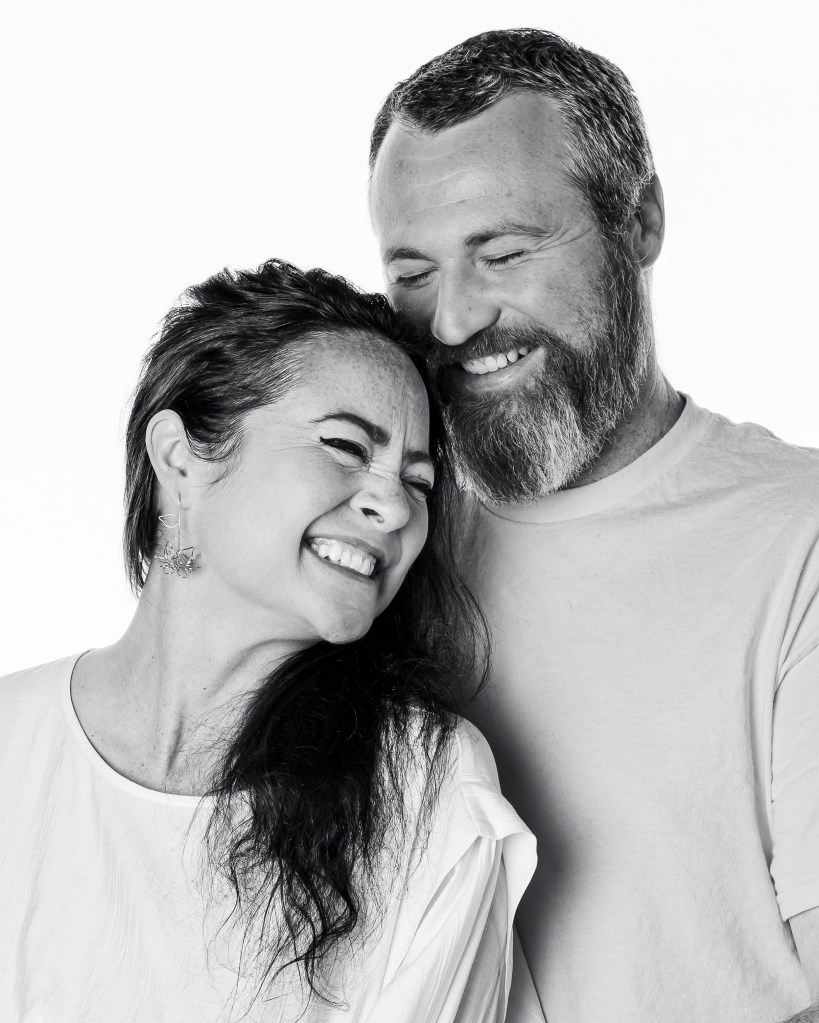
This can be especially meaningful for families with neurodiverse kids, who may express themselves in ways that are beautifully unique. A fleeting smile, the way a child clings to a parent, or the stillness in their gaze becomes even more poignant when captured without the distraction of color.
5. Storytelling Without Expectations
Black and white photography has a way of honoring real life—messy, beautiful, and unscripted. It’s not about perfection; it’s about presence. When expectations around color coordination, polished outfits, and Pinterest-perfect backdrops are lifted, there’s space for authenticity.
That space can be invaluable for families whose everyday reality might not always look like a magazine spread, but whose love and resilience deserve to be documented just as deeply.

Let the Moments Speak
Choosing black and white for your family photo session isn’t about stripping away—it’s about revealing. It lets the light hit just right on a quiet moment. It makes space for emotions to breathe. And it helps create a more inclusive, stress-free experience for every member of the family, especially those who experience the world a little differently.
Whether you’re looking to honor the nuances of your family’s unique story or simply want images that stand the test of time, black and white photography offers a beautiful, thoughtful way forward.
 My Special Interest