Gentle Photography for wonderfully wired families.

Author: Macarie Smith

  • The Positive Impacts of Special Interests

    The Positive Impacts of Special Interests


    What Is a Special Interest — and Why Does It Matter?

    At My Special Interest, we celebrate what makes your child light up inside — and for many neurodivergent kids, that spark is found in a special interest.

    But what exactly is a special interest?

    A special interest is a topic, hobby, or theme that a child (or adult!) feels deeply passionate about. It’s more than just a favorite toy or passing phase — it’s something they return to again and again, often with intense focus and joy. Whether it’s trains, insects, animation, or art, a special interest can be a comforting routine, a creative outlet, a social bridge, and a huge source of pride.

    And the benefits? They’re huge.


    💡 The Positive Impacts of Special Interests

    1. Boosts Confidence and Self-Esteem
    Mastering something they love gives kids a sense of pride and identity. It can be a source of empowerment in a world that doesn’t always feel built for them.
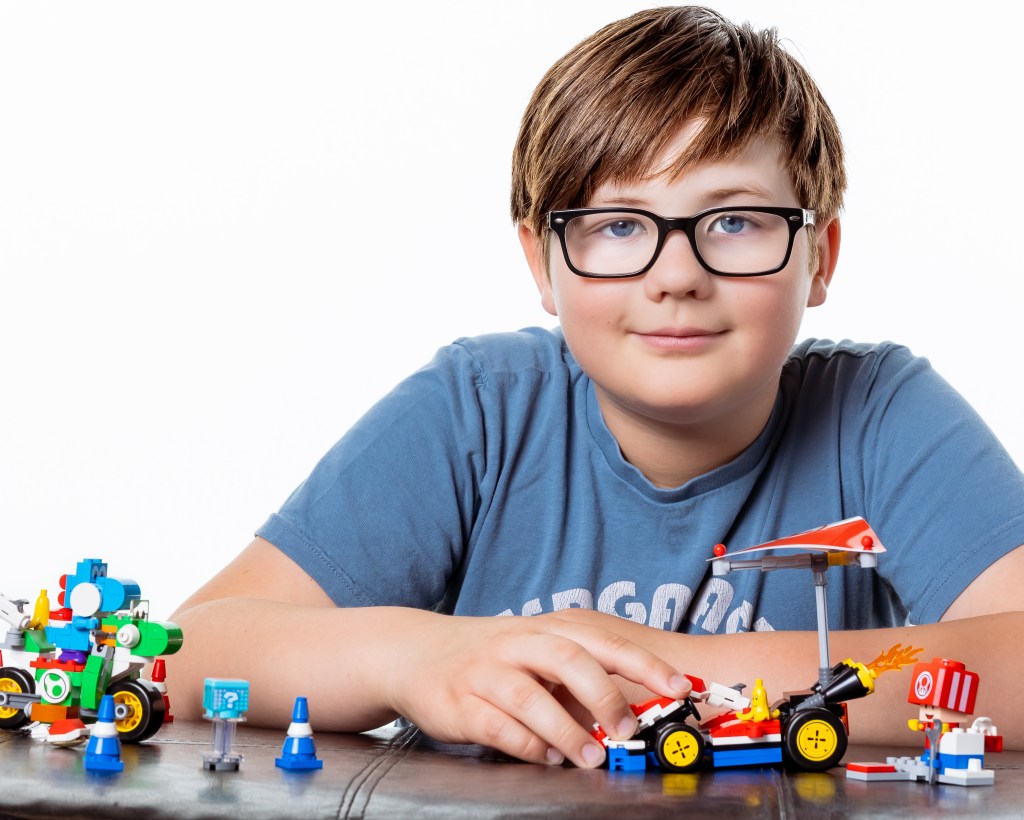
    “I like building Lego. The instructions are easy to follow… I build custom Lego sets sometimes and I really like that.”
    Lego Builder and Community Connector

    2. Fosters Social Connection
    Special interests can spark conversations, help kids bond with others, and lead to friendships — even with adults who share the same passion.

    “I showed Lego to my cousin and she started liking it. I showed it to a lot of my friends and they started liking it too… I get to meet really kind people at the Lego store.”

    3. Encourages Creativity and Problem Solving
    From designing new creations to figuring out patterns and systems, special interests engage the brain and feed curiosity.
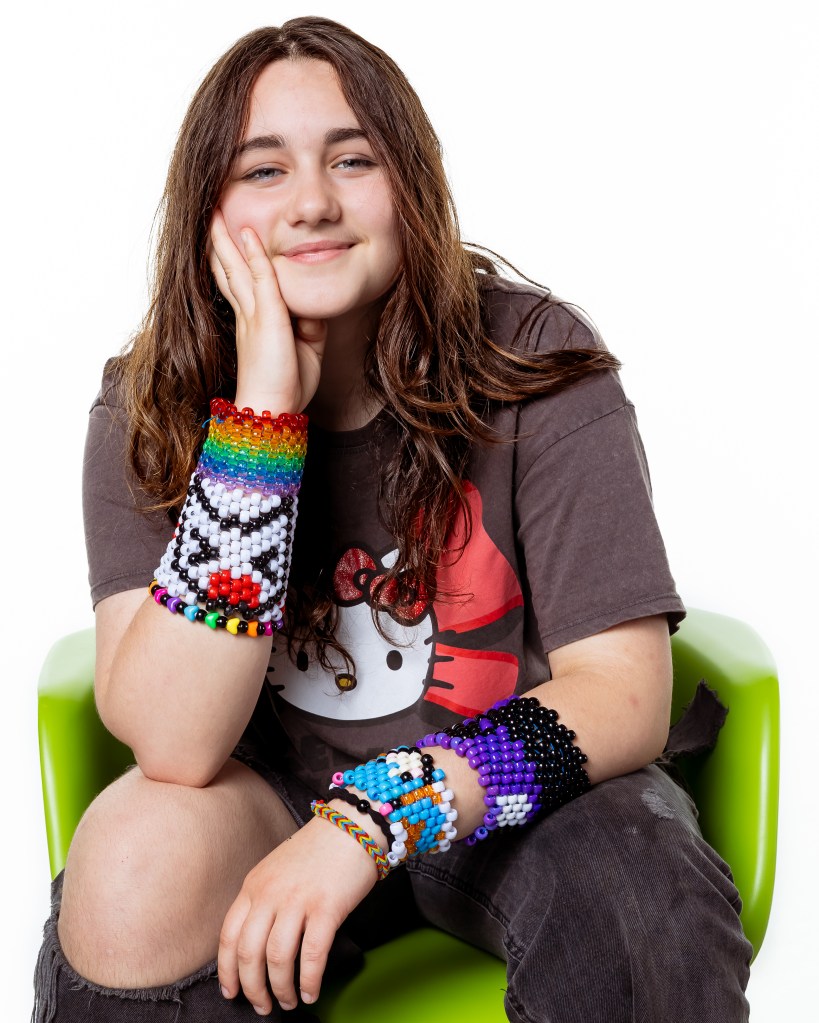
    “(My special interest is) making bracelets… I’ve figured out how to make flower cuffs now. I’ve never seen anyone with this specific cuff — I’d be super pissed if it went mainstream, bro!!”
    Bead Artist and Trendsetter

    4. Offers Comfort and Stability
    For neurodivergent children, special interests can be a safe space — a predictable, joyful place to return to during overwhelming or uncertain times.
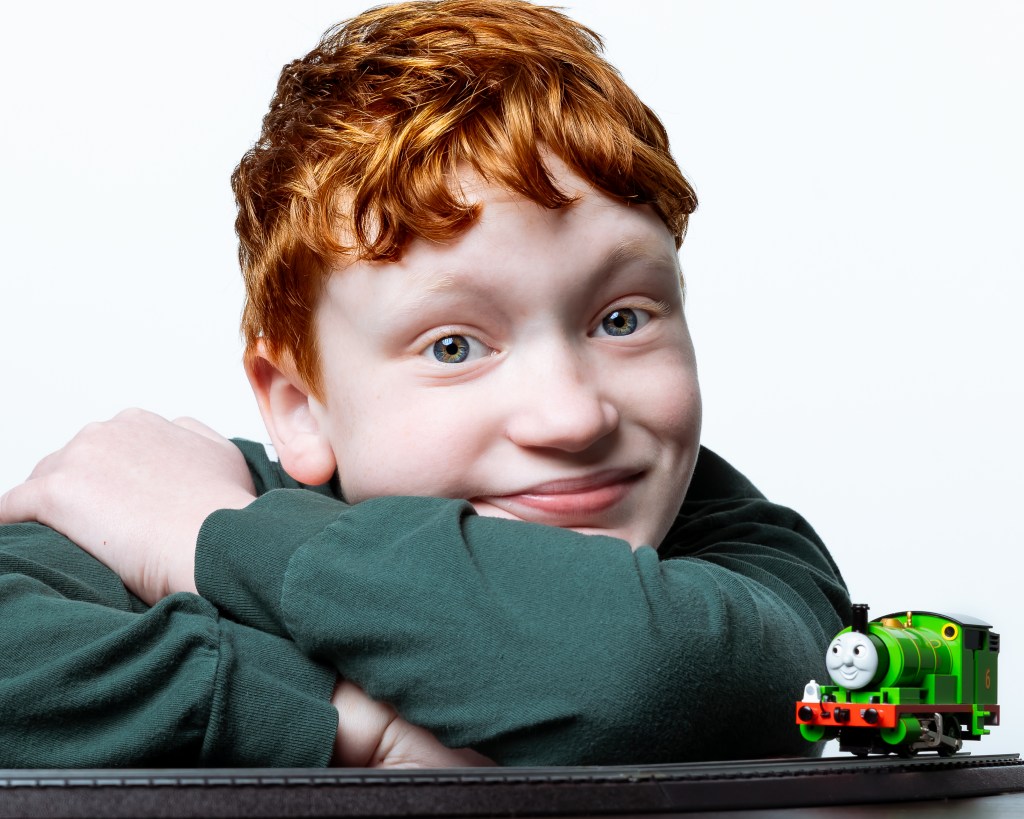
    “Thomas (the Tank Engine) was basically a friend to me when I was little. The faces of the characters were pretty easy to recognize.”
    Train Enthusiast and Emotional Interpreter

    5. Enhances Communication Skills
    Talking about a special interest is often easier than other topics — it helps kids find their voice, build vocabulary, and share their inner world.


    📸 Capturing What Matters Most

    At My Special Interest, we offer photography sessions that highlight the beauty of these passions. We believe every child deserves to be seen and celebrated for exactly who they are — and that includes the things they love most.

    Let’s tell their story, through images that speak volumes.
  • Imagine That — Attainable Children’s Fantasy Photography in Ottawa

    Imagine That — Attainable Children’s Fantasy Photography in Ottawa

    Children dream in vivid colors. They fly planes, command trains, roam prehistoric landscapes, and explore enchanted worlds—all before lunch. At My Special Interest, we believe photography should be more than just pretty pictures. It should be a portal into the magical, meaningful worlds your children already live in.

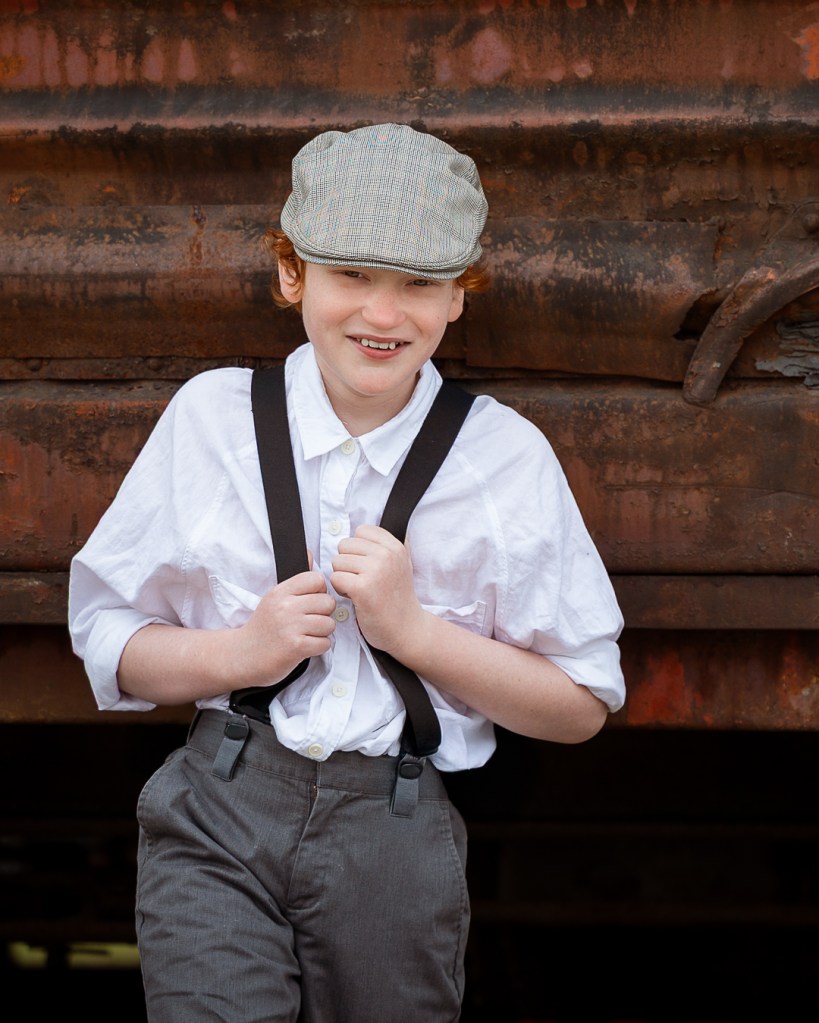
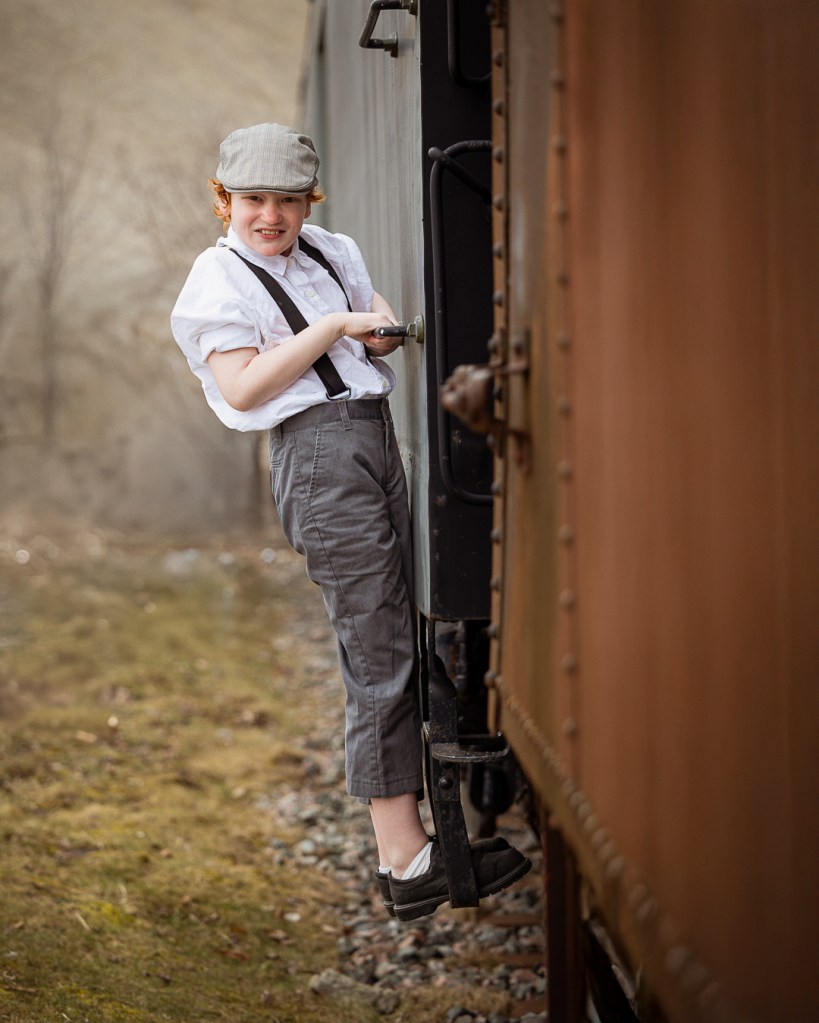
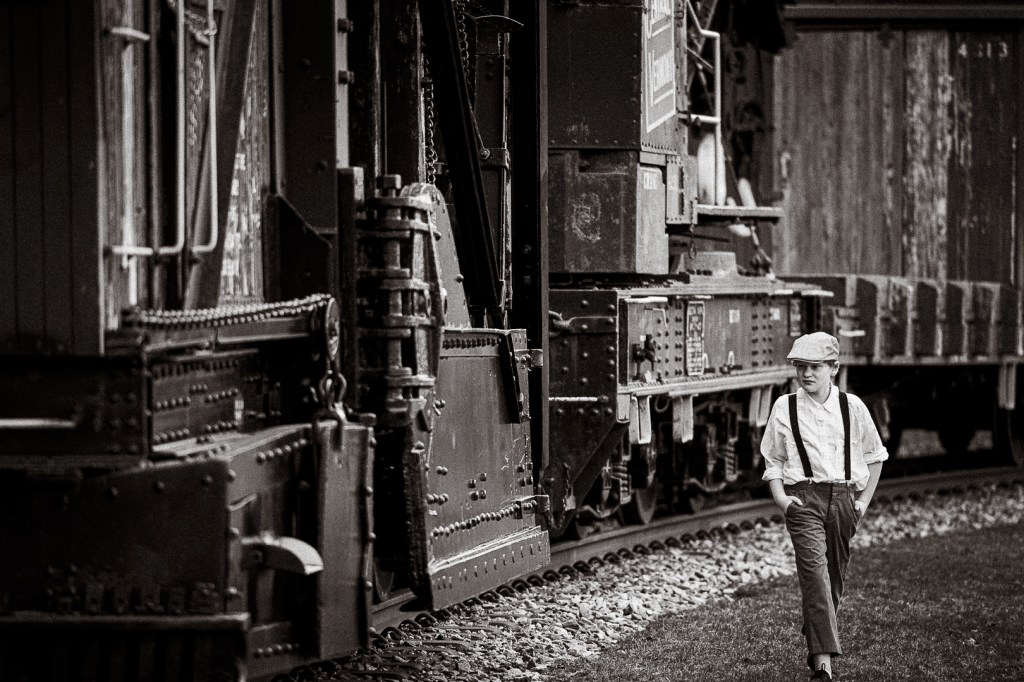
    Recently, I had the joy of photographing a young boy who adores trains. Dressed in suspenders and a newsboy cap, we set out for the Canada Science and Technology Museum, where vintage locomotives lined the tracks. He didn’t just pose—he played, he imagined, he became the boy who lived in that world. Every photo from that day tells a story rooted in history, fantasy, and joy. This wasn’t just a photoshoot. It was a dream come true.

    And here’s the best part: fantasy doesn’t need to be far-fetched or expensive. Ottawa is filled with accessible locations that ignite children’s imaginations and make for unforgettable photo sessions.

    ✈️ For the Skyward Dreamer

    The Canada Aviation and Space Museum offers hangars full of real aircraft and room to run. Your future pilot can don a vintage bomber jacket, climb into a cockpit, and let their dreams take flight.

    🦕 For the Curious Explorer

    At the Canadian Museum of Nature, kids can stand beside towering dinosaur skeletons, explore arctic ecosystems, and pretend they’re scientists on a grand expedition. Costumes? Optional. Wonder? Guaranteed.

    🏛️ For the Time Traveler

    The Canadian Museum of History offers sweeping architecture and immersive exhibits that let kids travel through time. Whether dressed as a pioneer or a knight, your child can inhabit a rich past full of stories.

    🚂 For the Train Enthusiast

    And of course, our beloved Science and Tech Museum—a hidden gem for locomotive lovers. With heritage trains and industrial backdrops, it’s the perfect place for kids who dream in steam and steel.

    What Makes It Special?

    These aren’t just themed shoots—they’re sensory-safe, neurodivergent-friendly experiences created with your child’s unique interests at heart. We embrace what makes your child light up and build an environment where they can feel seen, supported, and celebrated.

    Fantasy photography doesn’t need castles or fairies to feel magical. Sometimes, all it takes is a train, a hat, and someone who believes in the story your child wants to tell.


    Ready to capture your child’s imagination?
    Let’s make some magic—without ever leaving Ottawa.

    📸 Book your session
    📍 Locations: Ottawa & surrounding area
    💌 macarieleigh@gmail.com

  • Everyday Magic: Lifestyle Photography for Parents of Neurodiverse Kids

    Everyday Magic: Lifestyle Photography for Parents of Neurodiverse Kids

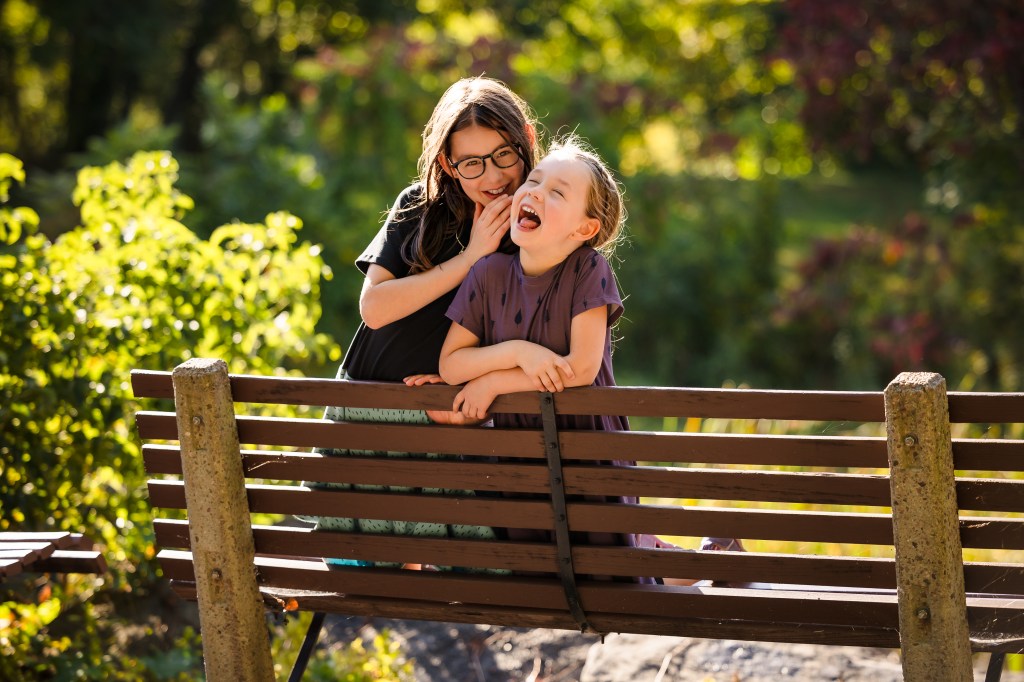
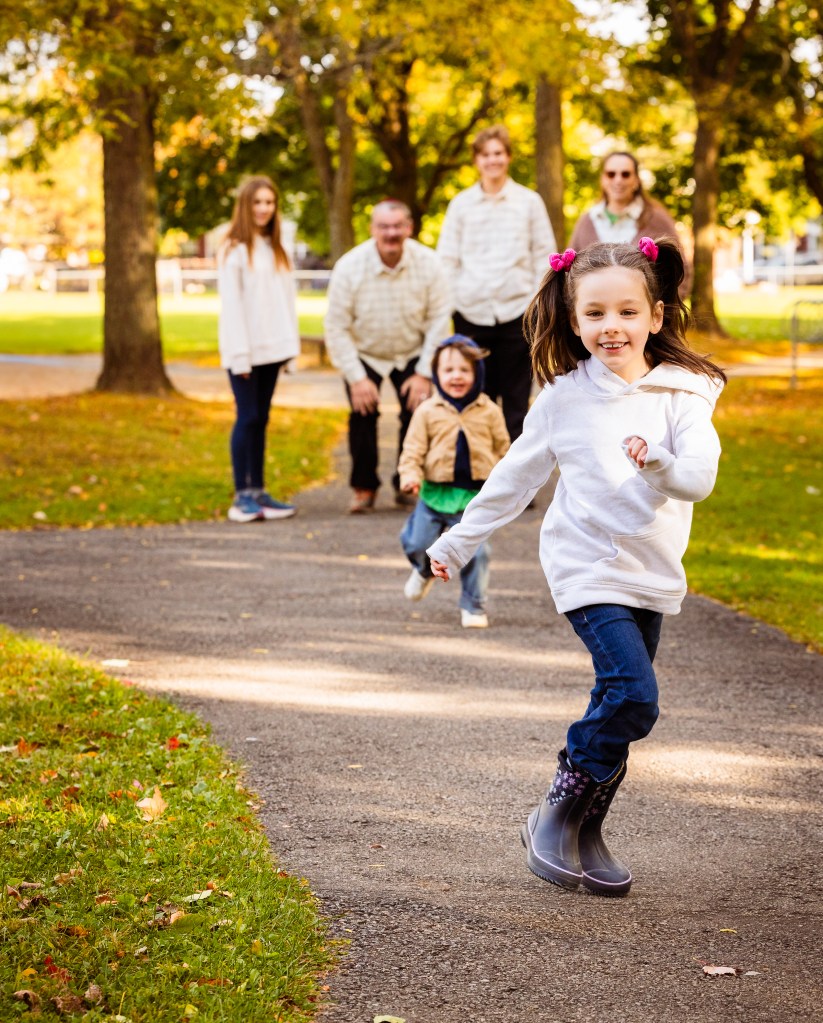
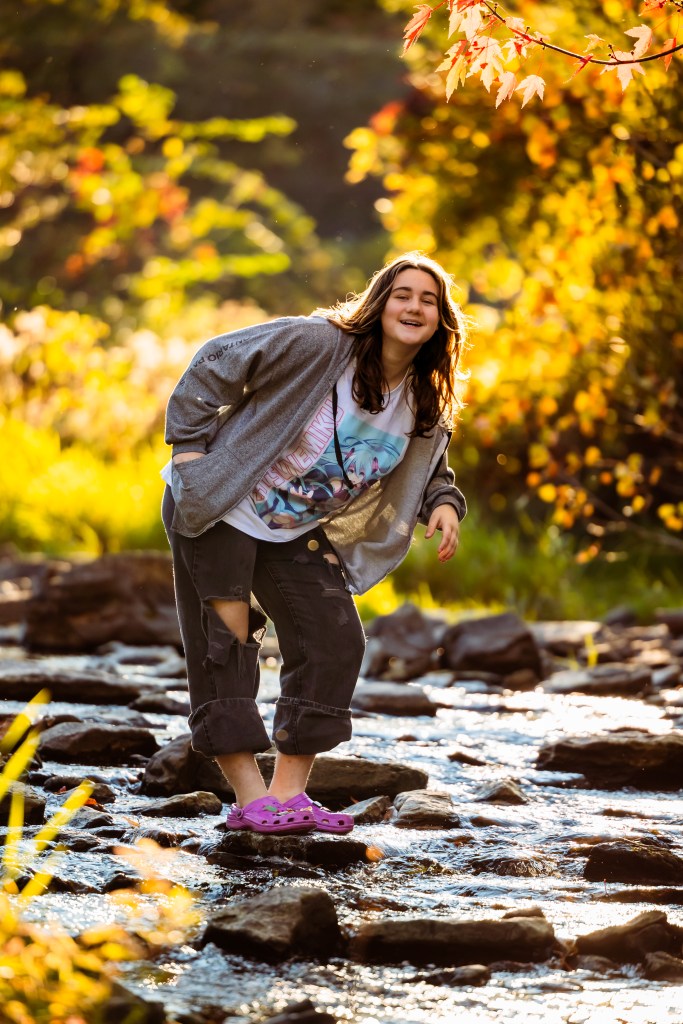
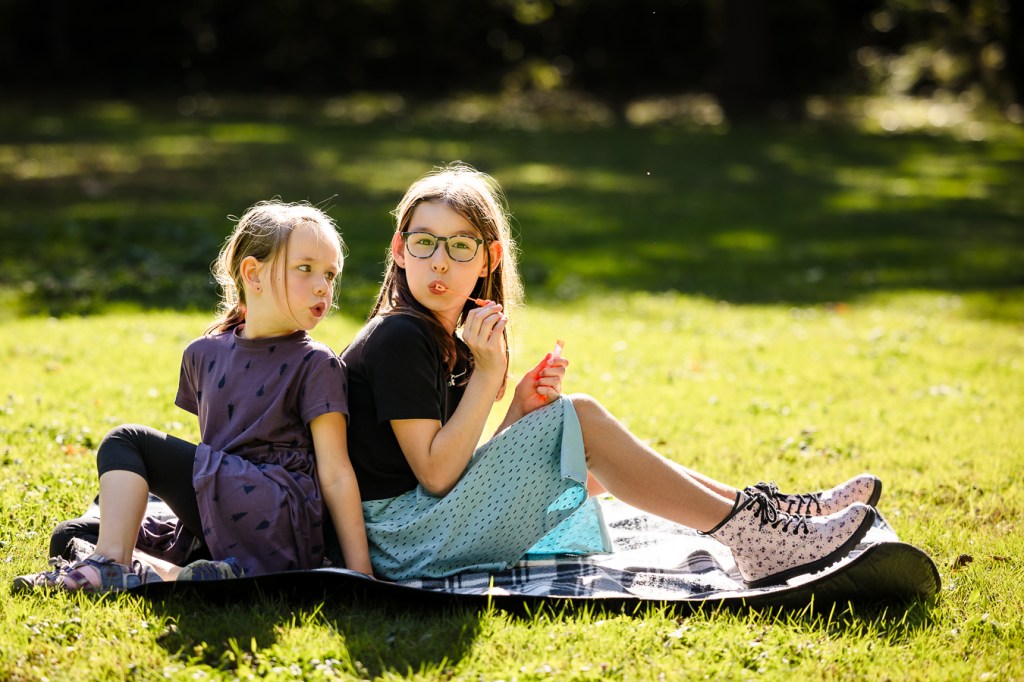
    (NOTE: not all the children in these images are neurodiverse – they are just images from sessions that I love!!)

    If you’ve ever felt like traditional family photography just doesn’t fit your family—you’re not alone. You schedule the photoshoot, prep the outfits, hype up your kid… and still end up with stiff poses, sensory overload, or a meltdown (sometimes yours).

    Here’s the good news: You don’t need picture-perfect poses to have meaningful, beautiful photos. That’s where lifestyle photography comes in—and it might just be the gentle, authentic approach your neurodivergent child (and you!) have been looking for.

    Let’s explore what lifestyle photography is, why it’s ideal for neurodiverse families, and how to make it a joyful experience for everyone involved.


    🌿 What Is Lifestyle Photography?

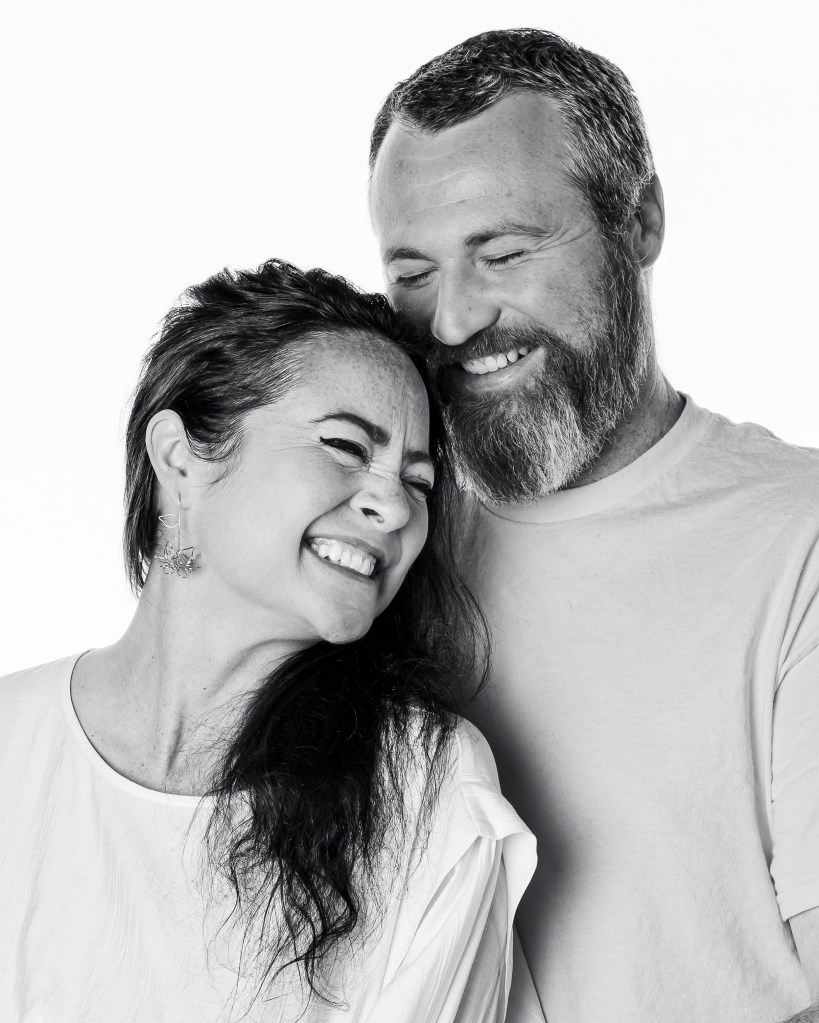
    Lifestyle photography is all about capturing people in their natural environments, doing things they love. Think less “say cheese” and more “this is us, on a Tuesday, dancing in the kitchen.” It tells stories through real, unscripted moments.

    For neurodiverse kids, this approach can feel much safer and more aligned with how they move through the world.


    🧠 Why It Works for Neurodiverse Kids

    Here’s why lifestyle photography can feel like a breath of fresh air:

    • No pressure to pose – Your child can stim, wander, fidget, flap, or focus on a special interest—and that’s not only okay, it’s perfect.
    • Familiar settings – Photos happen in comfortable places: your home, the backyard, or their favorite sensory-friendly spot.
    • Freedom to be themselves – Lifestyle sessions aren’t about controlling the moment—they’re about witnessing it.

    There’s no need to change or “fix” anything about your child’s natural rhythm. The goal is to celebrate it.


    📷 Tips for a Beautiful Lifestyle Session

    Whether you’re hiring a photographer or capturing moments yourself, here are some tips to make lifestyle photography meaningful and relaxed:

    1. Choose the Right Time of Day

    Pick a time when your child is most regulated. For some kids, that’s after a meal or after their routine. Avoid nap time or transitions if those tend to be tough.

    2. Let Them Take the Lead

    Follow your child’s energy. If they want to line up toy cars, build a blanket fort, or jump on the couch—let them. These moments tell their story.

    3. Be Candid, Not Posed

    Focus on interaction. Snuggle. Play. Read a book together. Let your child stim or hyperfocus. These real-life moments hold the most heart.

    4. Include Comfort Items

    Weighted blankets, fidget toys, headphones, favorite plushies—include them all. They’re part of your child’s world and deserve to be documented with love.

    5. Work with a Neurodiversity-Affirming Photographer

    Look for someone who understands or is open to learning about neurodivergent needs. Ask how they approach sensory sensitivity, meltdowns, or pacing the session.


    💛 What You’re Really Capturing

    Lifestyle photography isn’t about getting your child to fit the photo—it’s about shaping the photo to fit them.

    You’re capturing:

    • The way they squint when they’re deep in thought.
    • The joy in their eyes when they talk about trains.
    • The quiet way they reach for your hand when they’re feeling unsure.
    • The safe little world you’ve built together.

    These are the moments you’ll want to remember. And they’re so much more meaningful than “perfect” smiles.


    Final Thought

    In a world that often tells neurodiverse kids to sit still and fit in, lifestyle photography says: You’re already enough.

    So next time you reach for your camera (or book a session), remember: the magic isn’t in the setup. It’s in the everyday—messy, beautiful, sensory, and uniquely yours. Keep capturing it. 💛

  • The Timeless Beauty of Black and White Photography for Family Portraits — and Why It’s Especially Great for Neurodiverse Kids

    The Timeless Beauty of Black and White Photography for Family Portraits — and Why It’s Especially Great for Neurodiverse Kids

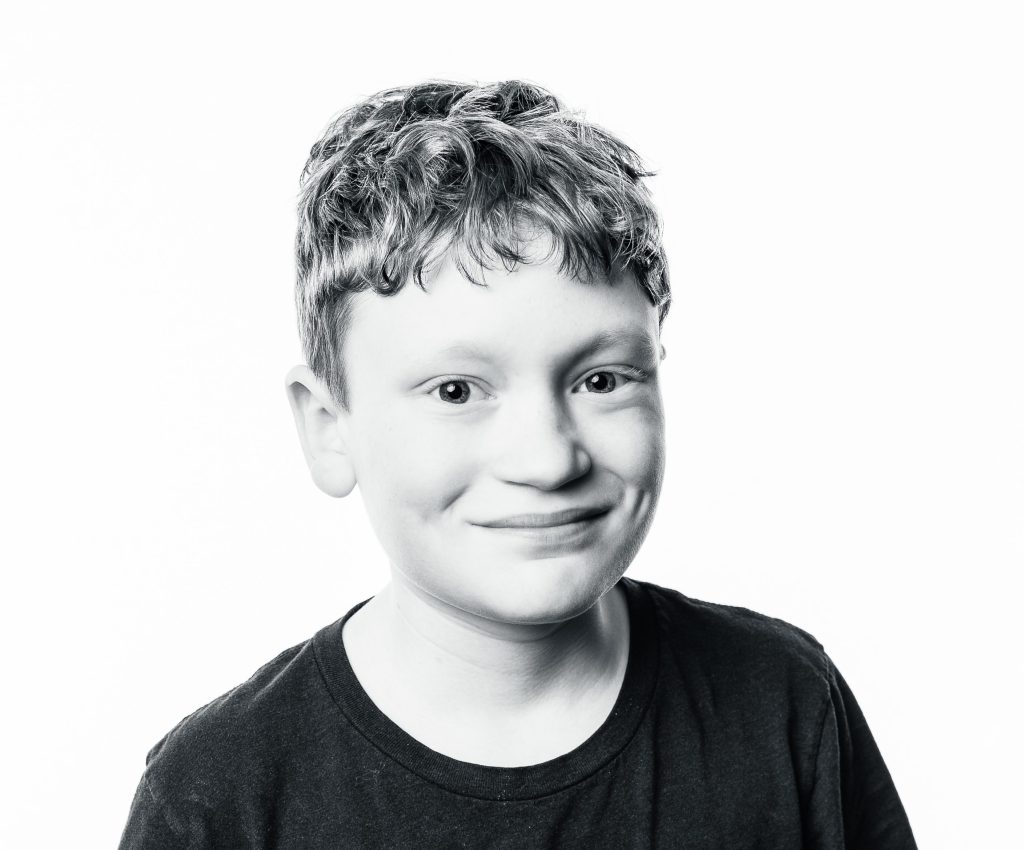
    In a world filled with vibrant colors and endless digital enhancements, there’s something refreshingly honest and timeless about black and white photography—especially when it comes to family portraits. While color photography has its undeniable charm, black and white images offer a simplicity and emotional depth that can feel both grounding and powerful.

    But beyond aesthetics, black and white photography offers some practical and even therapeutic benefits, particularly for families with neurodiverse children. From easing the pressure of clothing choices to creating a more calming and focused environment, here’s why monochrome might be the perfect approach for your next family photo session.

    1. Timelessness That Transcends Trends

    Black and white photography has a classic appeal that never goes out of style. Unlike color photos, which can be easily dated by trends in clothing, background hues, or editing styles, black and white images feel enduring. They strip away distractions and allow the viewer to focus on what really matters—the people and the connections between them.

    For family portraits meant to be treasured for generations, that timeless quality is priceless.

    2. Less Pressure Around Wardrobe Choices

    Choosing outfits for family photos can be a major source of stress, especially when trying to coordinate colors across multiple people. For parents of neurodiverse children, this stress can be magnified. Many neurodiverse kids have strong preferences around clothing—based on texture, fit, or color sensitivity—which can make outfit planning feel like a battle.

    Black and white photography removes the need to coordinate or worry about clashing colors. Without color in the final image, you can focus on comfort and self-expression. A child who insists on wearing their favorite Batman t-shirt or sensory-friendly hoodie? In black and white, that decision fades into the background, letting their personality—and joy—shine through.

    3. A Calmer, More Focused Experience

    Color can be stimulating—sometimes overwhelmingly so. Neurodiverse kids, especially those with sensory sensitivities, may feel overloaded in visually intense environments. Brightly colored clothing, backgrounds, or props can be distracting or even dysregulating.

    Black and white photography naturally simplifies the visual environment. The reduced sensory input can create a calmer atmosphere during the shoot, making it easier for children (and parents) to relax. It’s easier to focus on emotions, interactions, and connection when the world is rendered in soft greys and deep shadows.

    4. Emphasis on Emotion and Connection

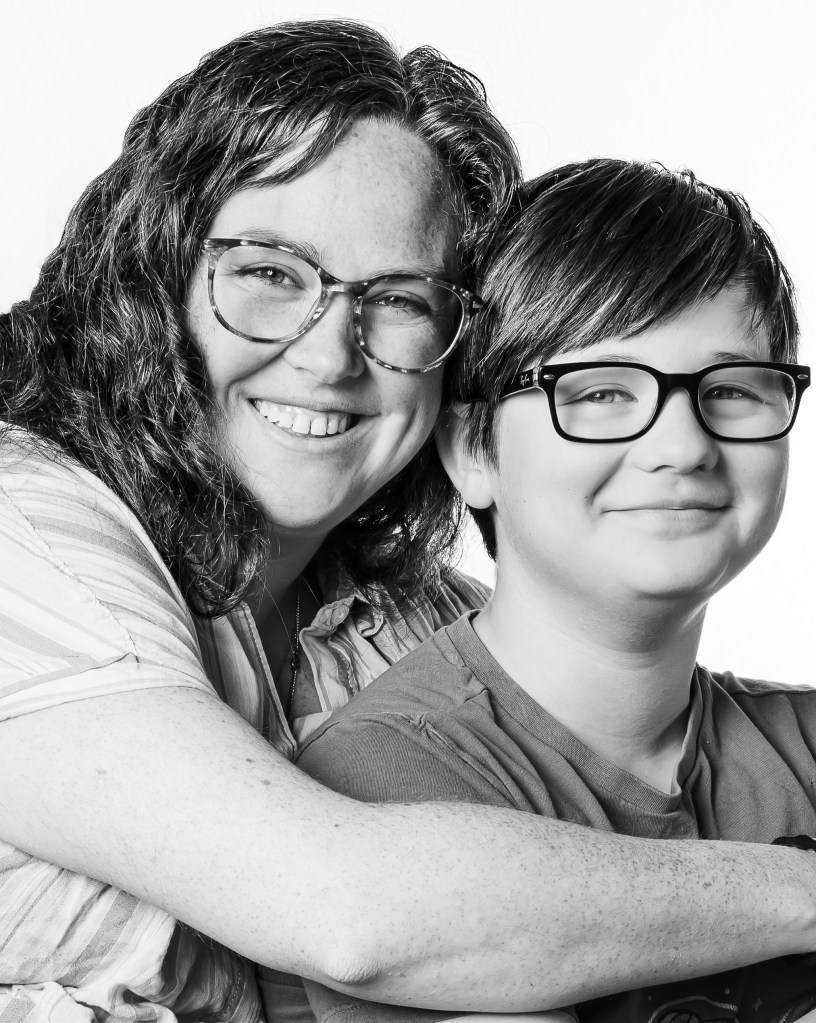
    In black and white photography, facial expressions, body language, and the relationships between people take center stage. Without color to pull the eye in different directions, viewers are drawn to the emotional core of the image.

    This can be especially meaningful for families with neurodiverse kids, who may express themselves in ways that are beautifully unique. A fleeting smile, the way a child clings to a parent, or the stillness in their gaze becomes even more poignant when captured without the distraction of color.

    5. Storytelling Without Expectations

    Black and white photography has a way of honoring real life—messy, beautiful, and unscripted. It’s not about perfection; it’s about presence. When expectations around color coordination, polished outfits, and Pinterest-perfect backdrops are lifted, there’s space for authenticity.

    That space can be invaluable for families whose everyday reality might not always look like a magazine spread, but whose love and resilience deserve to be documented just as deeply.

    Let the Moments Speak

    Choosing black and white for your family photo session isn’t about stripping away—it’s about revealing. It lets the light hit just right on a quiet moment. It makes space for emotions to breathe. And it helps create a more inclusive, stress-free experience for every member of the family, especially those who experience the world a little differently.

    Whether you’re looking to honor the nuances of your family’s unique story or simply want images that stand the test of time, black and white photography offers a beautiful, thoughtful way forward.

  • Capturing Joy: Tips for Taking Great Photos of Neurodiverse Children

    Capturing Joy: Tips for Taking Great Photos of Neurodiverse Children

    If you’ve ever tried to take a “perfect” photo of your neurodivergent child and ended up with a blurry sock, an out-of-frame forehead, or a deeply unimpressed expression… you are so not alone.

    At My Special Interest, we know that neurodiverse kids experience the world in ways that are uniquely beautiful—and that traditional photography tips don’t always apply. So today, we’re sharing some real-world advice for capturing moments that feel as magical as they are.

    Whether you’re snapping pics for a family album, a school project, or just because your kid looks extra cute today, here are some gentle tips to make the experience fun and authentic—for both of you.

    1. Let Go of the “Perfect Shot”
    Let’s be real—posing still, smiling on cue, and looking directly into the camera might not be your child’s thing. And guess what? That’s perfectly okay. Sometimes the best photos are candid moments—your child mid-laugh, deep in concentration, or fully immersed in their special interest. Let them be, and the beauty will follow.

    2. Make It a Familiar Space
    Many neurodiverse children feel safest and happiest in familiar environments. Try taking photos at home, their favorite park, or a sensory-friendly spot they love. The more relaxed they are, the more natural your photos will feel.
    Bonus tip: Avoid overwhelming locations, bright flashes, or noisy crowds unless those are things your child actively enjoys.

    3. Let Them Lead
    Instead of giving directions, let your child take the lead. Want to wear a superhero cape and lie in the grass? Go for it. Want to show off their dinosaur collection or spin in circles? Snap away. The more you follow their joy, the more that joy shows up in your photos.
    And if they want to take some photos too? Hand over the camera—you might be surprised by what they see.

    4. Incorporate Their Special Interests
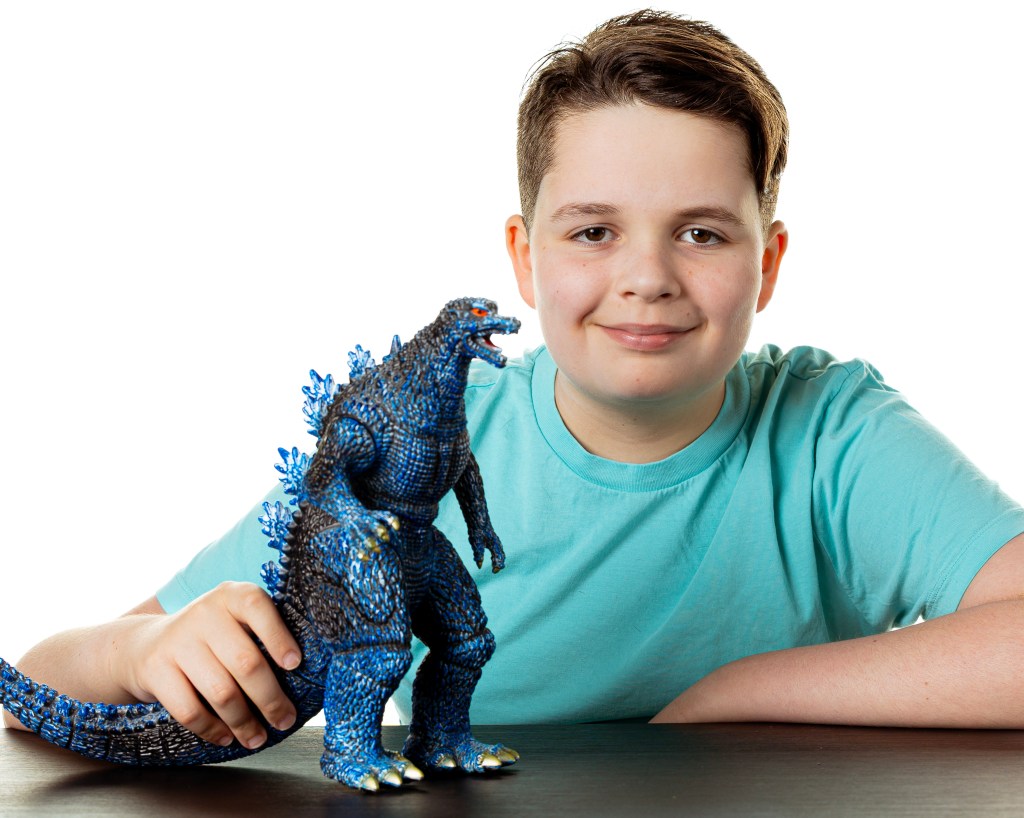
    This one’s close to our hearts at My Special Interest. If your child has a passionate focus—whether it’s trains, sea creatures, space, or Mario Kart—make it part of the shoot. Hold the camera while they explain it. Let them pose with it. Let them be it.
    Photos that reflect who your child is are worth more than a thousand Pinterest-perfect poses.

    5. Use Burst Mode & Be Patient
    Not every child will sit still for long, and that’s okay. Use burst mode (most phones have it!) to capture a series of shots quickly. That way, you increase your chances of catching a great expression, a natural smile, or that fleeting sparkle in their eyes.
    Give them breaks if they need it. Or take just one or two pictures a day over time—every little moment adds up.

    6. Make It a Sensory-Friendly Experience
    If your child is sensitive to light, sounds, or textures, be mindful of your gear and environment. Skip the flash. Turn off shutter sounds. Let them wear their favorite comfy clothes (yes, even the shirt with the spaghetti stain—this is real life, after all).
    Comfort first. Always.

    7. Celebrate the Process, Not Just the Picture
    The goal isn’t just to end up with a good photo—it’s to create a positive experience. Whether the final image is frame-worthy or not, if your child felt seen, safe, and celebrated, then you nailed it.
    Photography with neurodiverse children isn’t about changing them to fit the frame—it’s about changing the frame to fit them.

    Final Thought:
    Every child is different. Every moment matters. And every photo is a tiny time capsule of a love that can’t be posed or planned.
    So go ahead—get silly, be patient, take breaks, and take the pressure off. You’re doing great.